
Introduction
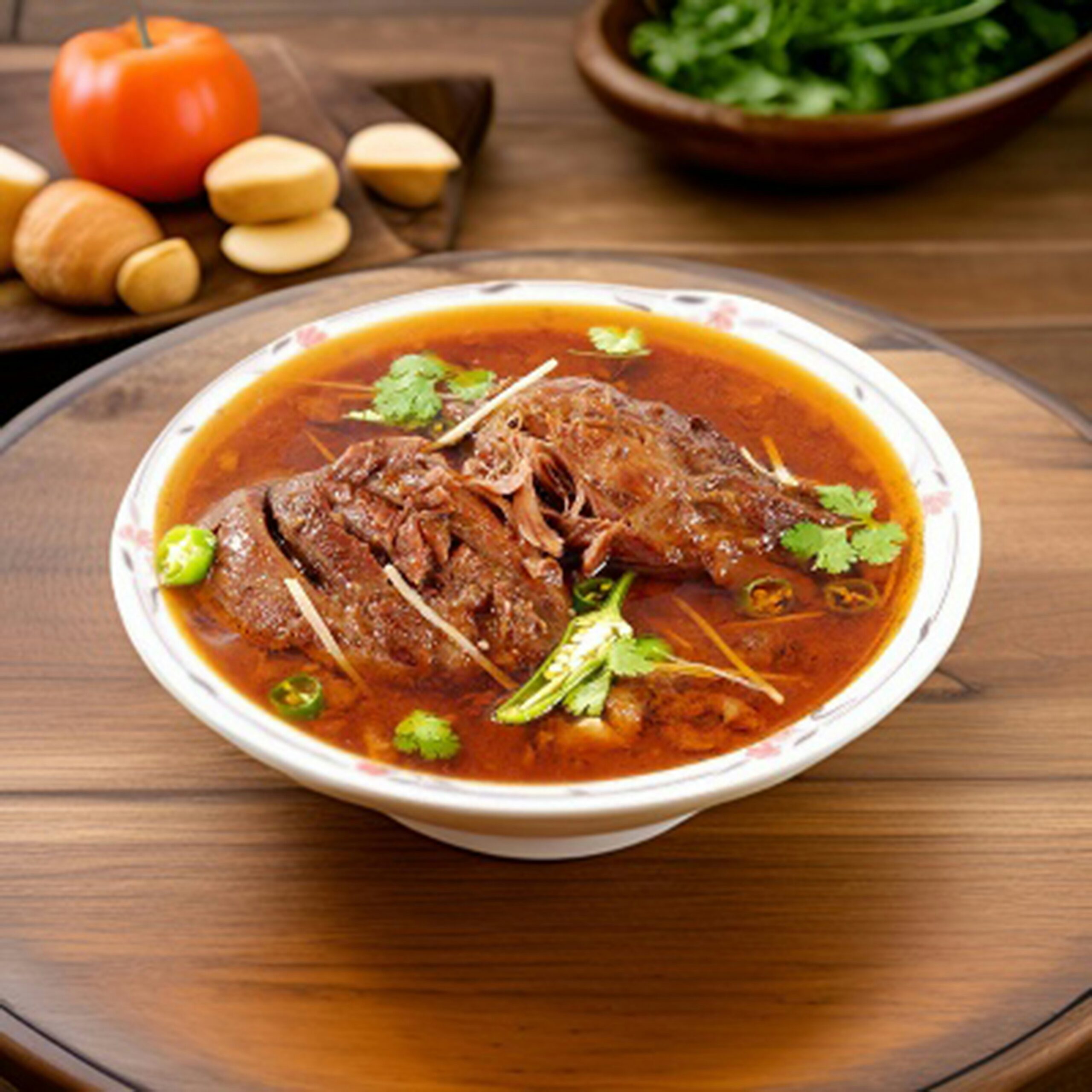
There is nothing quite like coming home to the smell of a warm, homemade dinner. This slow cooker beef stew is the perfect comfort food for busy weekdays, chilly evenings, and relaxed family dinners. Made with tender chunks of beef, potatoes, carrots, celery, onions, and a rich, savory gravy, this easy recipe transforms simple ingredients into a satisfying meal.
The best part? Your slow cooker does most of the work. After a little preparation, you can let the ingredients cook slowly until the beef becomes fork-tender and the vegetables soak up all those delicious flavors.
Unlike a stew that needs constant attention on the stovetop, this recipe is designed for convenience. You can prepare everything in the morning and enjoy a hearty dinner later in the day. Browning the beef before adding it to the slow cooker is an optional extra step, but it helps develop a deeper, richer flavor.
The broth is thick, savory, and full of comforting goodness, with tomato paste, garlic, Worcestershire sauce, herbs, and beef broth bringing everything together. Potatoes help make the stew filling, while carrots add a gentle sweetness that balances the savory sauce.
Whether you are cooking for your family, meal-prepping for the week, or looking for an easy dinner that everyone can enjoy, this homemade beef stew deserves a place in your regular meal rotation.
Serve it with crusty bread, warm dinner rolls, or a simple green salad for a complete meal.
Why You Will Love This Slow Cooker Beef Stew
There are plenty of reasons to make this recipe again and again.
1. Tender, flavorful beef: Beef chuck becomes wonderfully tender after several hours of slow cooking. The connective tissue softens over time, giving the stew its classic, hearty texture.
2. Easy preparation: Most of the work involves chopping vegetables, seasoning the beef, and adding the ingredients to the slow cooker.
3. A rich, savory gravy: Beef broth, tomato paste, garlic, Worcestershire sauce, and herbs create a flavorful base without needing a complicated ingredient list.
4. Perfect for busy days: Once everything is in the cooker, you can focus on other tasks while dinner slowly cooks.
5. A complete meal in one pot: Beef, potatoes, carrots, and celery make this a filling dinner without requiring several separate side dishes.
6. Easy to customize: Add mushrooms, peas, pearl onions, or your favorite stew vegetables to make the recipe your own.
7. Excellent leftovers: The flavors continue to mingle as the stew rests, making leftovers especially satisfying when stored and reheated properly.
Ingredients for the Best Slow Cooker Beef Stew
The secret to a delicious beef stew is choosing the right cut of meat, using flavorful aromatics, and adding enough liquid to create a rich gravy without making the finished dish watery.
This recipe serves approximately 6 people.
Main ingredients
- 2½ pounds beef chuck: Cut into roughly 1½-inch cubes. Beef chuck is ideal because slow cooking helps make it tender and flavorful.
- 1½ pounds potatoes: Use Yukon Gold or red potatoes for a creamy texture that holds its shape, or russet potatoes for a softer, thicker stew.
- 4 medium carrots: Peeled and sliced into thick rounds.
- 2 celery stalks: Chopped into bite-sized pieces.
- 1 large yellow onion: Diced.
- 4 garlic cloves: Minced for a rich, savory aroma.
- 3 tablespoons tomato paste: Adds depth, color, and a gentle tanginess.
- 3 cups beef broth: Use low-sodium broth so you can control the saltiness.
- 2 tablespoons Worcestershire sauce: Adds savory, umami flavor.
- 1 tablespoon olive oil: For browning the beef.
- 2 tablespoons all-purpose flour: Helps thicken the stew. Use a gluten-free flour blend if needed.
Seasonings and herbs
- 1 teaspoon dried thyme
- 1 teaspoon dried rosemary, crushed
- 2 bay leaves
- 1 teaspoon salt, or to taste
- ½ teaspoon freshly ground black pepper
- 1 tablespoon chopped fresh parsley, for serving
Optional ingredients
- 1 cup frozen peas, added near the end of cooking
- 8 ounces mushrooms, quartered
- 1 teaspoon smoked paprika for extra depth
- 1 teaspoon balsamic vinegar to brighten the flavor at the end
- 1 additional tablespoon flour mixed with cold water if the gravy needs extra thickening
Ingredient tip: Choose beef chuck rather than very lean steak cuts. Chuck contains connective tissue that breaks down during slow cooking, making it particularly suitable for a long-cooked stew.
How to Make Slow Cooker Beef Stew
Follow these seven simple steps for a hearty stew with tender beef, well-cooked vegetables, and a rich gravy.
Step 1: Prepare the beef and vegetables
Pat the beef cubes dry with paper towels. This helps the meat brown properly instead of steaming in its own moisture.
Place the beef in a bowl and toss it with the flour, salt, and black pepper until the pieces are lightly coated.
Peel and chop the carrots, dice the onion, slice the celery, mince the garlic, and cut the potatoes into evenly sized chunks.
Try to keep the vegetables in similar-sized pieces so they cook more evenly. Cut particularly large potatoes into smaller chunks, but avoid chopping them too small because they may become mushy during a long cooking period.
Keep the prepared ingredients refrigerated if you are not ready to start cooking immediately.
Step 2: Brown the beef for extra flavor
Heat the olive oil in a large skillet over medium-high heat. Add the beef in small batches, leaving space between the pieces.
Brown the beef on several sides for approximately 2–3 minutes per side. You are not trying to cook the meat completely; you are building a flavorful brown crust.
Transfer each batch to a plate as it browns.
Avoid overcrowding the skillet. Too much beef at once lowers the pan temperature and encourages steaming rather than browning.
When the beef is finished, add a small splash of beef broth to the skillet and scrape up the browned bits with a wooden spoon. Pour this flavorful liquid into the slow cooker with the meat.
Can you skip browning the beef? Absolutely. Add the seasoned beef directly to the slow cooker if you need to save time. The stew will still cook, but browning generally adds more depth and complexity to the final flavor.
Step 3: Layer the ingredients in the slow cooker
Place the potatoes, carrots, celery, onion, and garlic in the bottom of the slow cooker.
Arrange the browned beef on top. Add the tomato paste, Worcestershire sauce, thyme, rosemary, bay leaves, and remaining beef broth.
Stir gently to distribute the tomato paste and seasonings through the liquid.
The vegetables should be positioned underneath or around the meat because they generally cook more slowly than smaller meat pieces. Follow your slow cooker’s instructions about recommended filling levels and avoid overfilling the appliance.
The broth does not need to completely cover every ingredient. As the stew cooks, the vegetables and beef release moisture and the ingredients settle into the cooking liquid.
Step 4: Slow cook until the beef is tender
Cover the slow cooker with its lid.
Cook according to the following guide:
| Setting | Approximate cooking time |
|---|---|
| Low | 8–9 hours |
| High | 4–5 hours |
These times are estimates. Slow cookers vary in temperature and capacity, and the size of the beef cubes also affects cooking time.
For the best texture, the low setting is an excellent choice when you have time. It allows the beef to cook gently until it becomes tender and the flavors meld together.
Keep the lid closed as much as possible. Every time you lift it, heat escapes and cooking takes longer.
The stew is ready when the beef can be easily pierced with a fork and the vegetables are tender. If the beef still feels tough, allow additional cooking time. Beef intended for stew often needs more cooking to become tender, even after it is cooked through.
Step 5: Adjust the gravy
Once the beef and vegetables are tender, carefully remove the bay leaves.
Check the consistency of the broth. If you prefer a thicker gravy, mix 1 tablespoon of flour or cornstarch with 2 tablespoons of cold water in a separate bowl until smooth.
Stir this mixture into the hot stew, cover, and continue cooking on High for approximately 15–20 minutes, or until the gravy thickens.
Never add dry flour or cornstarch directly to the stew in a heap, because it may form lumps.
For a richer flavor, taste the gravy and adjust the salt and pepper. A small splash of balsamic vinegar can brighten the flavor if the stew tastes too heavy.
Step 6: Add the finishing touches
If using frozen peas, stir them into the stew during the final 15–20 minutes of cooking.
Add the peas too early and they may lose their bright color and soft texture.
For additional freshness, sprinkle chopped parsley over the finished dish.
Let the stew rest for a few minutes before serving. The gravy may thicken slightly as it cools.
Step 7: Serve and enjoy
Ladle the hot beef stew into bowls, making sure each serving includes a generous amount of beef, potatoes, carrots, and gravy.
Serve with crusty bread, warm rolls, rice, or a simple green salad.
The result is a comforting homemade dinner with tender meat, hearty vegetables, and a rich sauce that makes every bite satisfying.
Tips for Making the Best Slow Cooker Beef Stew
A few small details can make a noticeable difference in the taste and texture of your stew.
Choose the right cut of beef
Beef chuck is my first choice for this recipe. It has enough connective tissue and marbling to become tender during a long cooking period.
Pre-cut beef stew meat is convenient, but the exact cuts may vary. Choose pieces that look well-marbled and cut them into evenly sized cubes if necessary.
Avoid relying on very lean steak cuts for a long-cooked stew. They may not develop the same tender, succulent texture as chuck.
Do not skip the browning step when flavor matters most
Browning creates flavorful, caramelized surfaces on the beef. These browned bits also enrich the broth when you deglaze the skillet.
Although browning adds a little preparation time, it is one of the easiest ways to make homemade beef stew taste more developed and savory.
Cut vegetables into hearty pieces
Carrots and potatoes should be large enough to hold their shape during hours of cooking.
Small pieces soften more quickly, so they may break apart before the beef reaches its ideal tenderness. If your slow cooker tends to cook hot, slightly larger vegetable chunks can help.
Use broth rather than too much water
Beef broth gives the gravy a stronger flavor than water alone. Low-sodium broth is especially useful because Worcestershire sauce and the seasonings also contribute salt.
You can always add a little extra salt toward the end, but it is harder to correct a stew that has become too salty.
Add thickening ingredients carefully
This recipe uses a little flour to help thicken the gravy. The final consistency will depend on the amount of moisture released by the vegetables, your slow cooker, and how tightly the lid fits.
If the stew is too thin, use a smooth flour or cornstarch slurry. If it is too thick, stir in a small amount of warm beef broth.
Avoid adding too much thickener at once. It is easier to add more after checking the consistency than to correct a gravy that has become pasty.
Keep the lid on
Slow cooking works best when the appliance maintains a steady temperature. Resist the urge to lift the lid repeatedly to check on the stew.
Prepare everything, set the cooking time, and allow the slow cooker to do its job.
Season toward the end, too
The broth reduces and the ingredients release their flavors as they cook. Taste the finished stew before serving and adjust the seasoning if necessary.
Fresh parsley, black pepper, or a small splash of balsamic vinegar can add a final touch of freshness.
Common Mistakes to Avoid
Even a simple slow cooker recipe can turn out differently depending on how it is prepared. Here are a few problems to watch for.
Adding frozen beef directly to the slow cooker: Thaw the beef safely before cooking. Frozen meat can take too long to reach a safe temperature in a slow cooker.
Food Safety and Inspection Service
+1
Using too much broth: A slow cooker retains moisture, so the recipe usually needs less liquid than a comparable stovetop stew. Start with the specified amount and adjust the gravy at the end.
Cutting the potatoes too small: Very small pieces can disintegrate during long cooking. Use evenly sized, hearty chunks.
Cooking on High for too long: High is useful when time is limited, but every slow cooker is different. Check tenderness near the estimated end of the cooking period and continue only as needed.
Adding peas at the beginning: Peas cook quickly. Add them near the end to preserve their color and texture.
Trying to fix watery gravy with dry flour: Dry flour added directly to a liquid may clump. Make a slurry separately and stir it in gradually.
Overcrowding the slow cooker: Follow the manufacturer’s recommended capacity. The quantity and arrangement of food affect how evenly it cooks.
Delicious Variations to Try
One of the best things about this slow cooker beef stew is how easily you can customize it.
Slow Cooker Beef Stew with Mushrooms
Add 8 ounces of quartered mushrooms along with the vegetables. Mushrooms bring an earthy, savory quality that works beautifully with beef and herbs.
If you want a deeper mushroom flavor, brown them briefly in the skillet after browning the meat.
Beef Stew with Red Wine
For a richer, more traditional-style stew, replace about ½ cup of the beef broth with dry red wine.
Add the wine to the hot skillet after browning the beef. Scrape up the browned bits and let the wine simmer briefly before transferring the liquid to the slow cooker.
Use this option only if wine suits your preferences; extra beef broth works perfectly well as a substitute.
Garlic and Herb Beef Stew
Increase the garlic to six cloves and add a little extra rosemary and thyme. This gives the gravy a more pronounced herb flavor without changing the basic method.
Beef Stew with Sweet Potatoes
Replace part or all of the regular potatoes with sweet potatoes. Their natural sweetness contrasts nicely with the savory broth.
Sweet potatoes may soften more quickly, so cut them into large chunks and check the texture toward the end of cooking.
Gluten-Free Slow Cooker Beef Stew
To make this recipe gluten-free, use certified gluten-free beef broth and Worcestershire sauce, and replace the all-purpose flour with a suitable gluten-free flour blend or cornstarch.
For cornstarch, skip the flour coating on the beef. Brown the uncoated beef, then mix 1 tablespoon of cornstarch with 2 tablespoons of cold water and add it near the end of cooking. Check all packaged ingredients for gluten-containing additives or cross-contact warnings.
Extra-Vegetable Beef Stew
Add parsnips, mushrooms, green beans, or pearl onions for more variety. Keep the total vegetable quantity reasonable so you do not overcrowd the slow cooker or dilute the gravy too much.
What to Serve with Slow Cooker Beef Stew
Beef stew is a complete meal on its own, but a simple side dish can make dinner feel extra special.
- Crusty bread: Perfect for soaking up the rich gravy.
- Homemade dinner rolls: Soft, fluffy rolls are excellent alongside hearty stew.
- Steamed rice: A useful option when you want to stretch the stew across more servings.
- Green salad: Fresh greens with a light vinaigrette provide a refreshing contrast.
- Roasted green beans: Add a little crunch and a lighter vegetable side.
- Mashed potatoes: Ideal for anyone who loves an extra-comforting meal, although the stew already contains potatoes.
For a weeknight dinner, crusty bread and a simple salad are usually all you need.
How to Store and Reheat Leftover Beef Stew
This recipe is ideal for meal preparation because the leftovers can make an easy lunch or another dinner.
Refrigerating leftovers
Allow the stew to cool enough to portion safely, then transfer it to shallow, covered containers and refrigerate within two hours of cooking. Keep the containers sealed to prevent the stew from absorbing odors from other foods.
Food Safety and Inspection Service
For best quality, use refrigerated leftovers within 3–4 days.
Freezing beef stew
To freeze the stew, let it cool and divide it into meal-sized portions in freezer-safe containers. Leave a little room at the top for expansion, seal the containers, and label them with the date.
For the best texture, use the frozen stew within about 2–3 months. Potatoes can become softer after freezing and reheating, but the stew should still be delicious.
Thaw frozen portions in the refrigerator before reheating.
Reheating leftovers
Reheat the stew on the stovetop over medium heat, stirring occasionally, or use a microwave-safe container in the microwave. Add a splash of beef broth if the gravy has thickened too much.
Reheat leftovers to 165°F (74°C), measured with a food thermometer. Do not use the slow cooker to reheat cold leftovers; reheat them using the stovetop or microwave first.
Food Safety and Inspection Service
+1
Frequently Asked Questions
Can I put raw beef straight into a slow cooker?
Yes. You can add thawed, raw beef directly to the slow cooker, although browning it beforehand usually produces a richer flavor. Always thaw frozen beef before placing it in the slow cooker.
Food Safety and Inspection Service
Why is my slow cooker beef stew meat tough?
The beef may need more time to break down and become tender. Beef chuck can remain chewy even after it has cooked for several hours. Continue cooking and check again until the beef is easily pierced with a fork.
Also, check that the meat pieces are not unusually large and that your slow cooker is operating correctly.
How can I thicken beef stew without flour?
Cornstarch is an easy alternative. Mix 1 tablespoon of cornstarch with 2 tablespoons of cold water until smooth. Stir the mixture into the stew near the end of cooking and allow approximately 15–20 minutes for it to thicken.
For a naturally thicker texture, mash a few cooked potato pieces into the broth and stir well.
Can I make this recipe without browning the beef?
Yes. Skip the skillet and add the seasoned beef directly to the slow cooker. This saves time and reduces the number of dishes you need to wash. The flavor will be slightly different, but the stew can still be rich and satisfying.
Should the potatoes go on the bottom or the top?
Place the potatoes and other vegetables toward the bottom of the slow cooker, with the beef on top. Vegetables generally cook more slowly than meat in a slow cooker, so this arrangement helps them cook properly.
Food Safety and Inspection Service
Can I cook beef stew overnight?
You can prepare it for an overnight cook if the timing and cooking setting are suitable for your appliance. Follow the manufacturer’s directions and a tested cooking schedule, and use a slow cooker that maintains safe cooking temperatures.
Avoid leaving the stew sitting at room temperature for hours before or after cooking. Refrigerate leftovers promptly.
Can I use frozen vegetables?
Yes. Frozen peas are particularly convenient when added during the final 15–20 minutes. Other frozen vegetables may work too, although the texture and cooking time will vary.
Do not use frozen beef directly in the slow cooker. Thaw the meat first.
Is it better to cook beef stew on Low or High?
Both settings work when used for the appropriate cooking time. Low is ideal when you want a long, gentle cooking period, while High can be useful when you have less time. The actual cooking time depends on your slow cooker, the size of the beef cubes, and the amount of food.
Can I make this beef stew gluten-free?
Yes. Use gluten-free beef broth and Worcestershire sauce, and replace all-purpose flour with certified gluten-free flour or cornstarch. Check labels carefully, especially if you are cooking for someone with celiac disease.
What is the best beef for slow cooker beef stew?
Beef chuck is a particularly good choice because its connective tissue softens during slow cooking. Beef labeled for stewing can also work well, but results depend on the cut.
How do I make the gravy more flavorful?
Brown the beef well, use a good-quality beef broth, scrape the browned bits from the skillet, and include garlic, tomato paste, Worcestershire sauce, and herbs. Taste the gravy at the end and adjust the salt, pepper, and acidity as needed.
Slow Cooker Beef Stew Recipe Card
Slow Cooker Beef Stew
Tender beef, potatoes, carrots, and herbs simmered in a rich, savory gravy.
Prep time
25 minutes
Cook time
8–9 hours
Servings
6 people
Difficulty
Easy
Ingredients
- 2½ pounds beef chuck, cut into cubes
- 1½ pounds potatoes, chopped
- 4 medium carrots, sliced
- 2 celery stalks, chopped
- 1 large onion, diced
- 4 garlic cloves, minced
- 3 tablespoons tomato paste
- 3 cups low-sodium beef broth
- 2 tablespoons Worcestershire sauce
- 2 tablespoons all-purpose flour
- 1 tablespoon olive oil
- 1 teaspoon dried thyme
- 1 teaspoon dried rosemary
- 2 bay leaves
- Salt and black pepper, to taste
- 1 cup frozen peas, optional
- Fresh parsley, optional
Instructions
- Pat the beef dry and toss it with the flour, salt, and black pepper.
- Heat the olive oil in a skillet and brown the beef in batches. Deglaze the skillet with a little beef broth.
- Add the potatoes, carrots, celery, onion, and garlic to the slow cooker.
- Add the beef, tomato paste, Worcestershire sauce, herbs, bay leaves, and remaining broth. Stir gently.
- Cover and cook on Low for 8–9 hours or High for 4–5 hours, until the beef is fork-tender.
- Remove the bay leaves. Add the peas during the last 15–20 minutes if using. Thicken the gravy with a flour or cornstarch slurry if needed.
- Taste, adjust the seasoning, garnish with parsley, and serve warm.
Storage: Refrigerate leftovers promptly in shallow, covered containers. Reheat to 165°F (74°C). Copy recipe card
SEO Recommendations for WhatForDinner.com
Suggested internal links: Add links to relevant recipes already published on your blog. Good opportunities include a homemade dinner rolls recipe, a classic mashed potatoes recipe, other slow cooker beef recipes, and a hearty vegetable soup recipe. Use descriptive anchor text that reads naturally in the paragraph.
External reference: For safe slow-cooking and leftover-handling guidance, reference the USDA’s Slow Cookers and Food Safety guide.
Food Safety and Inspection Service
Featured image suggestion: A landscape photo of a rustic bowl of beef stew with tender beef cubes, potatoes, carrots, glossy gravy, fresh parsley, and crusty bread beside it. Use a descriptive filename such as slow-cooker-beef-stew.jpg and alt text such as Slow cooker beef stew with tender beef, potatoes, and carrots.
Important publishing tip: Add the recipe card through your WordPress recipe plugin if you use one, and enter the ingredients, servings, preparation time, cooking time, and instructions into its structured fields. This is preferable to relying on article text alone for recipe-specific search features.
Finish the article with your usual invitation to readers:
Ready for more easy dinner ideas? Visit WhatForDinner.com for delicious recipes, family favorites, and everyday cooking inspiration!


